
From KGF to Toxic (Toxic Release Date March 19, 2026)
Table of Contents
From KGF to Toxic—Why Yash’s Most Unpredictable Film Could Redefine His Career
Every once in a while, a film arrives that doesn’t try to please everyone. Instead, it challenges expectations, provokes curiosity, and quietly dares the audience to step into unfamiliar territory. Toxic: A Fairy Tale for Grown-Ups feels like one of those films. With Yash at the center and filmmaker Geetu Mohandas steering the narrative, this project is shaping up to be less of a conventional entertainer and more of a cinematic statement.
The title itself is unsettling in the best way possible. Fairy tales are usually comforting—stories we grow up with, full of hope and moral clarity. Toxic, on the other hand, signals danger, obsession, and moral decay. Put together, the title promises a story that strips away innocence and replaces it with harsh truths meant for adult minds.
A World That Feels Both Beautiful and Dangerous
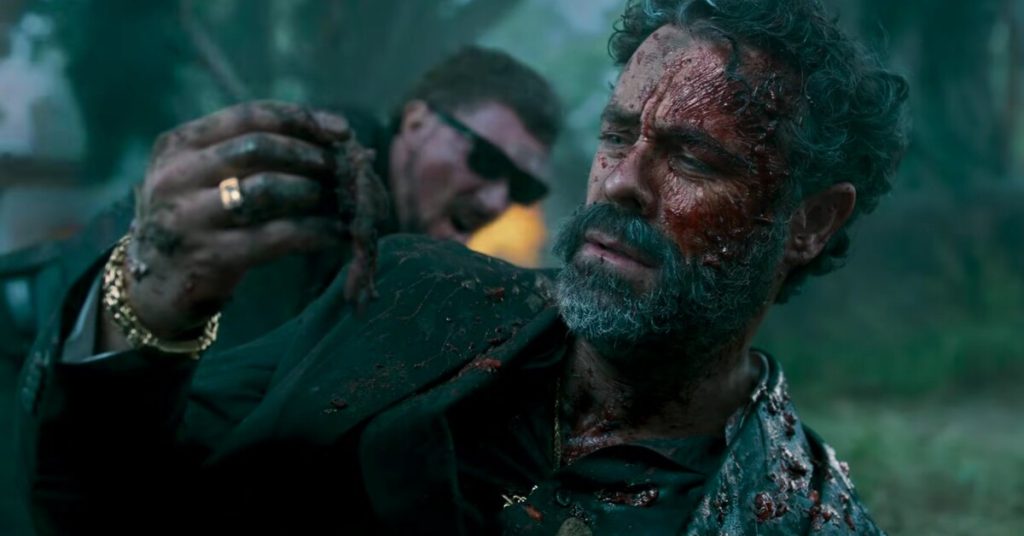
Early glimpses of Toxic suggest a carefully crafted universe—visually rich, emotionally intense, and layered with symbolism. The film reportedly spans different time periods, drawing inspiration from mid-20th-century settings while maintaining a timeless, almost myth-like atmosphere. This approach gives the story a haunting quality, as if it exists outside ordinary reality.
Rather than relying on loud spectacle, the film appears to lean into mood and tension. Every frame seems designed to communicate something unspoken—ambition, fear, power, or loss. It’s the kind of storytelling that rewards attention, asking viewers to read between the lines instead of handing them easy answers.
Geetu Mohandas’ Signature Storytelling
Director Geetu Mohandas is known for her emotionally grounded and visually poetic films. She doesn’t rush narratives or spoon-feed meaning. Instead, she allows characters to breathe, flaws and all. With Toxic, she steps into a much larger canvas, but her core sensibility remains intact.
What makes her involvement exciting is her ability to balance raw realism with stylized storytelling. This isn’t expected to be a straightforward gangster drama or fantasy. Instead, it feels like a psychological journey—one that explores how power corrupts, how desire poisons relationships, and how people often become prisoners of their own choices.
Yash Steps Away From Familiar Territory
After the massive success of KGF, Yash could have easily chosen to repeat the same formula. Toxic proves he’s thinking differently. His character, Raya, appears layered and unpredictable—someone shaped by his environment yet deeply responsible for the chaos around him.
This character is not a loud, chest-thumping hero. Raya feels dangerous in a quieter way. His presence commands attention not because of exaggerated action, but because of an underlying intensity that simmers just beneath the surface. For Yash, this role could mark a turning point—shifting his image from mass-action icon to a more nuanced performer willing to take risks.
An Ensemble That Adds Depth
One of the film’s strongest assets is its diverse cast. With performers like Nayanthara, Kiara Advani, Tara Sutaria, Huma Qureshi, and Rukmini Vasanth involved, the story promises multiple perspectives rather than a single dominant narrative.
Each character is expected to carry emotional weight, contributing to the story’s moral complexity. Rather than serving as mere supporting roles, these characters seem positioned as forces that shape, challenge, or mirror the protagonist’s journey. This ensemble approach adds richness and ensures the film isn’t just about one man’s rise or fall.
A Film Made for a Global Audience
Toxic is being shot simultaneously in Kannada and English, which speaks volumes about its ambition. This isn’t just about reaching a wider audience—it’s about telling a story that transcends regional boundaries. The themes of power, corruption, love, and loss are universal, and the filmmakers seem intent on presenting them in a way that resonates across cultures.
The international cast and crew further reinforce this global outlook. From cinematography to production design, the film appears to blend Indian storytelling with global cinematic sensibilities, creating something familiar yet refreshingly different.
Sound and Visuals That Set the Tone
Cinematographer Rajeev Ravi brings a gritty elegance to the visuals, while music composer Ravi Basrur is expected to deliver a score that enhances the film’s emotional gravity. Rather than overpowering scenes, the music is likely to act as an emotional undercurrent—subtle, haunting, and deeply immersive.
Together, these elements help create a world that feels alive, dangerous, and impossible to ignore. This is the kind of film where silence can be as powerful as dialogue, and shadows often speak louder than words.
Anticipation, Debate, and Curiosity
Like any ambitious project, Toxic hasn’t been free from controversy or speculation. Changes during production and casting discussions have only added to the intrigue. Online reactions range from excitement to skepticism, but that’s often the sign of a film that dares to be different.
People are talking—and in today’s crowded entertainment landscape, that alone is a victory.
Why Toxic Matters
Toxic: A Fairy Tale for Grown- Ups isn’t trying to be safe cinema. It doesn’t promise comfort or easy thrills. Instead, it invites viewers into a darker, more reflective space where characters are flawed and consequences feel real.
If it delivers on its promise, Toxic could stand as one of the most daring Indian films of its time—a story that lingers long after the screen fades to black.
You Can Also Watch Trailer of Toxic Movie (DADDY IS HOME)