
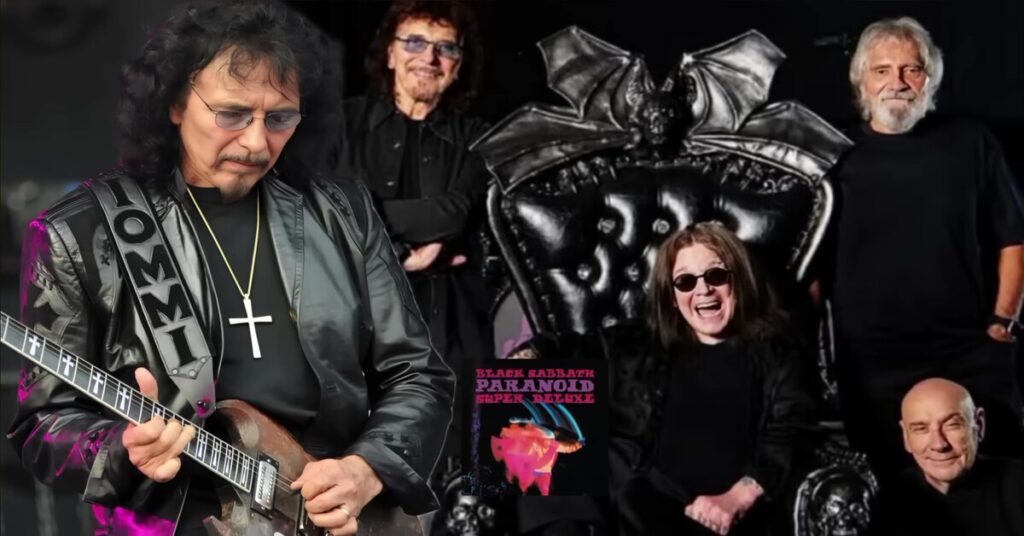
Ozzy Osbourne Dies at 76
Table of Contents
Ozzy Osbourne Dies at 76: A Look at His Top Songs, Lifestyle, and Financial Struggles
The world of rock has gone silent for a moment, mourning the loss of a true icon. Ozzy Osbourne, the legendary “Prince of Darkness,” has passed away at the age of 76, leaving behind a monumental legacy in the history of heavy metal. More than just a musician, Ozzy was a cultural phenomenon whose chaotic charm, powerful vocals, and unapologetic personality influenced generations.
A Titan of Heavy Metal Bows Out
Born John Michael Osbourne in Birmingham, England, in 1948, Ozzy grew up in a working-class family and battled poverty early in life. He rose to fame in the late 1960s as the frontman of Black Sabbath, pioneering a sound that would later become the foundation of heavy metal. His voice—instantly recognizable—was raw, haunting, and soulful. Over time, he evolved into a solo superstar, releasing numerous hit albums that solidified his place in music history.
Ozzy’s death marks the end of an era. He was never just a rock star; he was a symbol of rebellion, unpredictability, and survival.
Top Songs That Shaped Rock History
Throughout his five-decade career, Ozzy Osbourne gave the world some of the most unforgettable songs in metal. Whether performing with Black Sabbath or as a solo artist, his music was consistently bold, emotional, and ahead of its time.
Here are some of his most iconic tracks:
- “Crazy Train” (1980): A hard rock anthem and one of Ozzy’s biggest solo hits. The iconic riff and his energized vocals made it a stadium favorite.
- “Mr. Crowley” (1980): A theatrical, mysterious track that blended classical-inspired guitar solos with dark lyrical themes.
- “Paranoid” (1970): A Black Sabbath staple. Simple, raw, and powerful—this song defined an entire generation’s angst.
- “Iron Man” (1970): From its distorted opening to the crushing guitar riffs, the track is one of the most memorable metal songs ever recorded.
- “No More Tears” (1991): A later solo hit that showed a more introspective Ozzy, complete with layered instrumentation and emotion.
- “Mama, I’m Coming Home” (1991): Ozzy Osbourne’s heartfelt ballad “Mama, I’m Coming Home” remains one of his most emotional tracks, blending powerful lyrics with timeless rock melody.
These songs weren’t just hits; they were cultural events. They told stories of madness, isolation, love, and power—things Ozzy himself knew too well.
A Life Lived Loud: Ozzy’s Wild Lifestyle
Ozzy Osbourne’s life wasn’t just about music—it was a whirlwind of wild behavior, outrageous stories, and unforgettable TV moments. His antics on and off stage were legendary. From biting the head off a bat during a 1982 concert to being banned from San Antonio for urinating on a historic monument, Ozzy’s name became synonymous with rock’s most extreme moments.
But behind the theatrics was a man battling deep personal demons. Alcohol and drug addiction plagued much of his early life and career. His recovery journey was long and public, marked by relapses, rehab stints, and immense willpower. Yet somehow, Ozzy survived it all—until now.
In the 2000s, fans saw a different side of him on the MTV reality show “The Osbournes.” Viewers watched him stumble through domestic life in his Beverly Hills mansion, showcasing his awkward but lovable personality. His relationship with his wife, Sharon Osbourne, was a central focus of the show, and their bond remained unshakable through decades of turmoil.
Net Worth and Struggles with Money
Despite a successful career and global fame, Ozzy Osbourne’s financial journey wasn’t always stable. His net worth was estimated at $220 million, but much of that came later in life, particularly after his solo revival in the ’90s and the success of “The Osbournes” in the early 2000s.
Earlier in his career, Ozzy dealt with mismanaged finances, shady business deals, and the cost of addiction. Like many artists of his generation, he didn’t fully grasp the value of royalties, branding, and long-term investments until much later. His lavish lifestyle—mansions, luxury cars, wild parties—also came with a hefty price tag.
Sharon Osbourne played a significant role in turning things around. As his manager and wife, she helped steer his brand into more commercial territory, negotiating smart deals and managing tour revenues. Still, health costs in his later years—especially his treatments for Parkinson’s disease and spinal surgeries—reportedly drained significant funds.
Farewell, Prince of Darkness.
Ozzy Osbourne’s passing at 76 feels like the end of a rebellious chapter in music history. His voice, his wild eyes, and his tortured lyrics gave voice to outsiders, misfits, and dreamers. He wasn’t perfect—far from it—but that’s exactly what made him relatable.
He once said, “I’m not afraid of death because I don’t believe in it. It’s just getting out of one car and into another.” Now, as he leaves this world behind, the car may be gone, but the music keeps playing.
Thank you, Ozzy, for living loudly. The world may be quieter without you, but your legacy will never fade.
You Can Also Read: Mick Ralphs Dies at 81: Bad Company and Mott the Hoople Guitar Legend Remembered