
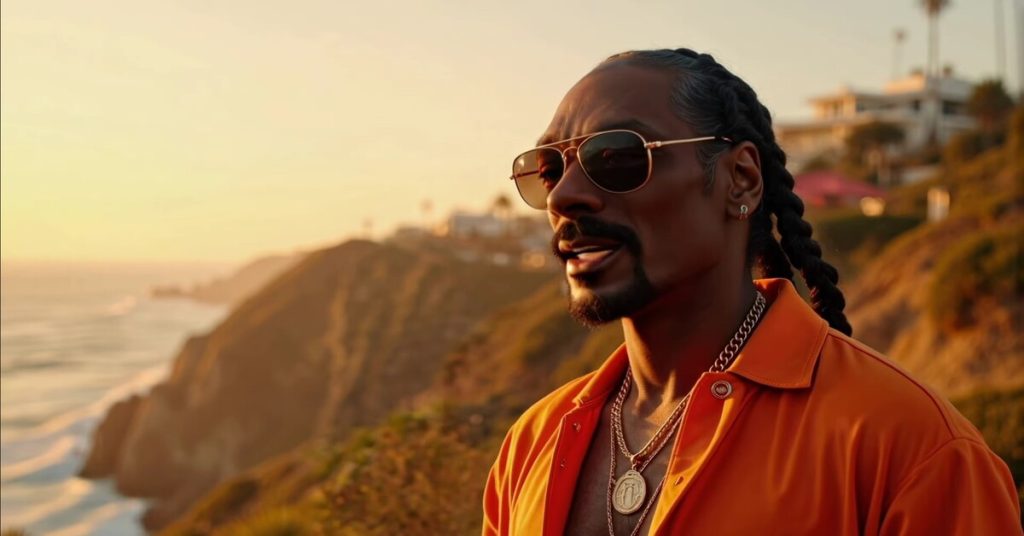
Snoop Dogg Sparks Backlash Over LGBTQ
Table of Contents
Snoop Dogg Sparks Backlash Over LGBTQ+ Debate: Why His Recent Comments Matter
Few artists have managed to stay as culturally relevant for as long as Snoop Dogg. From his early days in West Coast rap to his reinvention as an entrepreneur, TV personality, and family man, Snoop has always commanded attention. But this time, it’s not about music or cannabis branding. Instead, the rapper is making headlines for his remarks about LGBTQ+ representation in children’s movies—comments that have sparked widespread debate online.
The conversation began during an episode of the It’s Giving podcast, where Snoop reflected on watching Pixar’s Lightyear with his young grandson. The movie, which features a same-sex couple, prompted the child to ask how two women could have a baby. Snoop admitted he struggled with the question, saying moments like that make him “scared to go to the movies.” His frustration centered on how often LGBTQ+ themes appear in family-oriented media, leaving him feeling unprepared to explain them to a child.
Why People Are Talking About It
Reactions came swiftly. Supporters of representation in film argued that visibility is crucial, especially for children growing up in diverse households. To them, scenes like those in Lightyear normalize love in all its forms and create opportunities for meaningful family discussions. Critics, however, felt Snoop’s comments reflected a broader discomfort some parents share—one rooted not in hate but in uncertainty about how to guide young kids through conversations on identity and relationships.
The uproar didn’t stay confined to social media. It quickly spilled into the sports world after news broke that Snoop was scheduled to headline the AFL Grand Final in Australia. That announcement added fuel to the fire, as commentators pointed out the double standard: the AFL has punished players for homophobic language, yet the league was now paying millions to bring in a performer whose lyrics and comments have drawn similar criticism. The clash raised uncomfortable questions about consistency, accountability, and whether institutions are willing to hold celebrities to the same standards as athletes.
A Complicated Legacy
Snoop Dogg’s career has always straddled contradictions. On one hand, he has expressed support for same-sex marriage and personal freedom, telling reporters in the past that people should “live how they want to live.” On the other hand, his catalog contains lyrics that critics describe as sexist or homophobic. That history makes his recent comments feel less like an isolated slip and more like part of a long-running tension between his public support of inclusivity and the content he has created.
What complicates things further is Snoop’s image as a family-friendly celebrity. Over the past decade, he’s become a fixture in commercials, cooking shows, and even children’s programming. Parents who once saw him as a rapper from the 1990s now recognize him as an approachable grandfather figure. That makes his words carry extra weight. When he admits he’s “scared to go to the movies,” it resonates differently than if the statement had come from a politician or another artist with less cultural capital.
The Bigger Picture
This controversy isn’t just about one rapper’s discomfort. It’s a snapshot of a broader cultural shift. Children’s films today don’t just teach about bravery or friendship; they reflect the diverse realities of the audiences who watch them. For LGBTQ+ parents and kids, seeing families like theirs represented on screen is more than progressive storytelling—it’s validation. For others, particularly those who grew up when such topics were rarely acknowledged publicly, the change feels jarring.
The clash also highlights how unprepared many adults feel to explain these issues to kids. It’s worth remembering that children often ask simple, honest questions without judgment. A thoughtful answer—rather than avoidance—can go a long way toward fostering understanding. In that sense, movies like Lightyear can serve as a starting point for conversations that might otherwise never happen.
Where Does This Leave Snoop?
As the debate rages on, Snoop Dogg’s legacy won’t be undone by one podcast clip. Still, his comments have reopened long-standing conversations about representation, responsibility, and how celebrities navigate changing social landscapes. He may have intended only to share a personal parenting challenge, but in doing so, he put his finger on a cultural fault line that isn’t going away anytime soon.
The world is changing, and so is the entertainment kids consume. Whether Snoop embraces that shift or continues to resist it will determine not just how he’s remembered as an artist, but how he fits into the broader story of pop culture’s evolution toward inclusivity.
You Can Also Read: Sydney Chandler Alien Photoshoot Controversy – What Really Happened